
Frost heave is one of the most common causes of sidewalk damage in Edmonton. Athens Concrete regularly repairs and replaces sidewalks affected by freeze–thaw cycles, poor base preparation, and moisture trapped beneath slabs. When ground freezes and expands unevenly, sidewalks can lift, crack, and become hazardous long before their expected lifespan.
Understanding how frost heave occurs and how it can be prevented helps property owners reduce long term repair costs and safety issues.
What Frost Heave Is and Why It Happens
Frost heave occurs when moisture in the soil freezes and expands, pushing concrete upward. As temperatures rise, the ground settles unevenly, leaving slabs misaligned or cracked.
Sidewalks are especially vulnerable because they:
- Sit close to the surface
- Are often poured over shallow base layers
- Experience constant moisture exposure from snowmelt and rain
Edmonton’s frequent freeze–thaw cycles create repeated expansion and contraction, which compounds movement over multiple seasons.
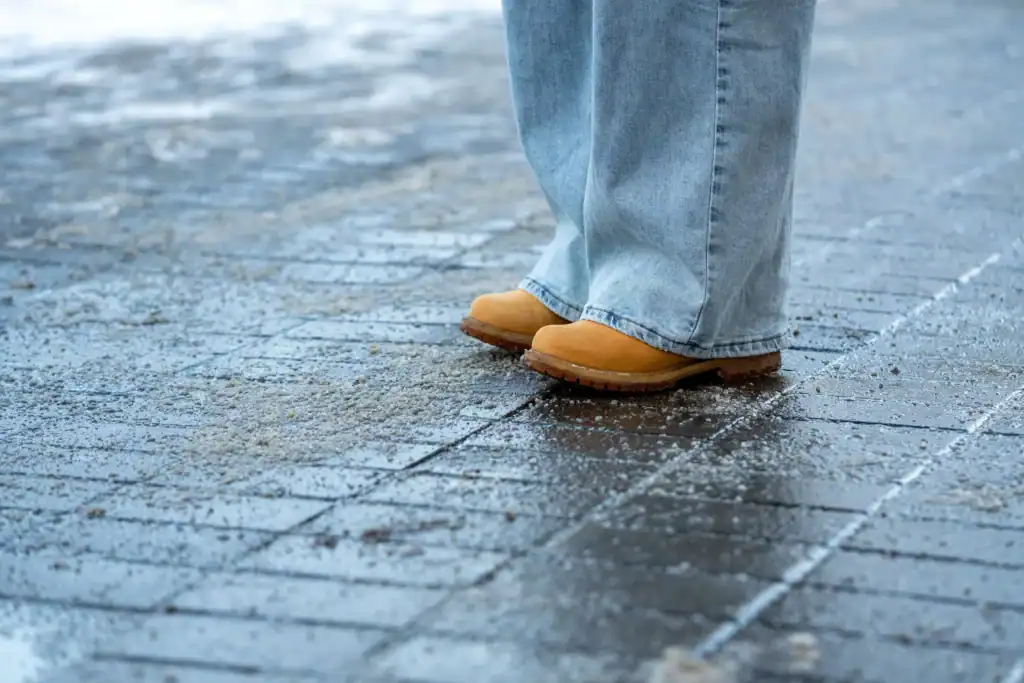
How Frost Heave Damages Sidewalks
Sidewalk damage caused by frost heave typically appears gradually, but worsens quickly once movement begins.
Common signs include:
- Uneven slab heights creating trip hazards
- Longitudinal or transverse cracking
- Separation at joints
- Pooling water along lifted sections
Once movement starts, surrounding slabs are often affected as moisture continues to penetrate the base.
Prevention Starts With Proper Base Preparation
Preventing frost heave begins before concrete is poured. Sidewalk longevity depends on base depth, drainage control, and compaction quality.
Key prevention strategies include:
- Excavating to appropriate depth for Edmonton soil conditions
- Using non frost susceptible gravel
- Proper compaction of subgrade and base layers
- Grading to direct water away from the sidewalk
Many long lasting concrete installation services succeed because base preparation is treated as structural work, not a shortcut.
Drainage Control and Concrete Mix Selection
Drainage is critical to frost heave prevention. Water trapped beneath sidewalks increases freeze expansion and accelerates movement.
Effective solutions include:
- Sloped base layers to prevent water retention
- Proper joint spacing to control movement
- Air entrained concrete mixes designed for freeze–thaw exposure
- Surface slopes that prevent standing water
Without drainage planning, even reinforced concrete will shift over time.
Repair Options for Frost Heaved Sidewalks
Once frost heave has occurred, repair options depend on severity and underlying conditions.
Common repair methods include:
- Grinding raised edges to reduce trip hazards
- Slab replacement where cracking or displacement is severe
- Mudjacking to lift and re level settled sections when base conditions allow
In many cases, replacing affected sections and correcting base and drainage issues is the most reliable long term solution. Reviewing sidewalk construction and replacement options helps determine whether repair or replacement is appropriate.
When Replacement Is the Better Long Term Choice
Temporary fixes may reduce immediate hazards, but repeated frost movement often returns if underlying issues remain.
Sidewalk replacement is usually recommended when:
- Multiple slabs are uneven
- Cracks continue to widen
- Drainage problems persist
- Base material has broken down
Replacing sidewalks with proper base depth, drainage, and cold climate concrete significantly improves long term performance.
Addressing Frost Heave Before It Becomes a Safety Issue
Uneven sidewalks increase liability and reduce property usability. Addressing frost heave early prevents escalating damage and more costly repairs later.
If you are dealing with uneven or damaged sidewalks caused by frost heave, you can book a sidewalk quote to assess conditions and review repair or replacement options based on your property.