
Concrete in cold climates faces environmental stress that shortens surface life if not properly protected. Freeze thaw cycles, moisture exposure, and deicing salts create conditions that lead to cracking, scaling, and surface wear. Sealing acts as a barrier system that limits these risks and helps concrete maintain structural and surface integrity. Athens Concrete works with property owners to protect exterior slabs where climate exposure is a primary durability factor.
Why Cold Climates Are Hard on Concrete Surfaces
Cold regions expose concrete to repeated freezing and thawing. Water enters surface pores, freezes, expands, and creates internal pressure. This cycle repeats throughout winter and early spring, gradually weakening the surface layer. Road salts and deicing chemicals compound the issue by accelerating moisture absorption and chemical breakdown.
Concrete that is not protected absorbs more water, experiences larger freeze expansion forces, and deteriorates faster than sealed surfaces.
What Concrete Sealing Actually Does
Concrete sealers limit water penetration, reduce chemical absorption, and strengthen surface durability. They do not make concrete waterproof but reduce how much moisture and contaminants can enter.
Moisture Penetration and Freeze Thaw Damage
Moisture inside concrete expands when frozen. This expansion creates micro fractures that grow over time. Sealing reduces the volume of water entering the pore structure, lowering internal stress during freezing.
Salt Exposure and Surface Scaling
Road salt draws moisture into concrete and reacts with cement compounds. This can cause surface scaling, where the top layer flakes or peels away. Sealers reduce salt intrusion, which slows this surface breakdown process.
Reducing Cracking and Surface Deterioration
While sealers do not prevent structural cracks from movement or settlement, they reduce surface cracking linked to moisture stress and chemical exposure. Less moisture movement means lower expansion pressure.
Improving Long-Term Durability
Sealed concrete resists abrasion, staining, and environmental wear more effectively. Over time, this leads to fewer repairs and longer surface service life.
Protection Against Deicing Chemicals
Deicing chemicals increase freeze thaw stress and chemical attack. Sealers act as a buffer layer, slowing chemical penetration and preserving the surface matrix.
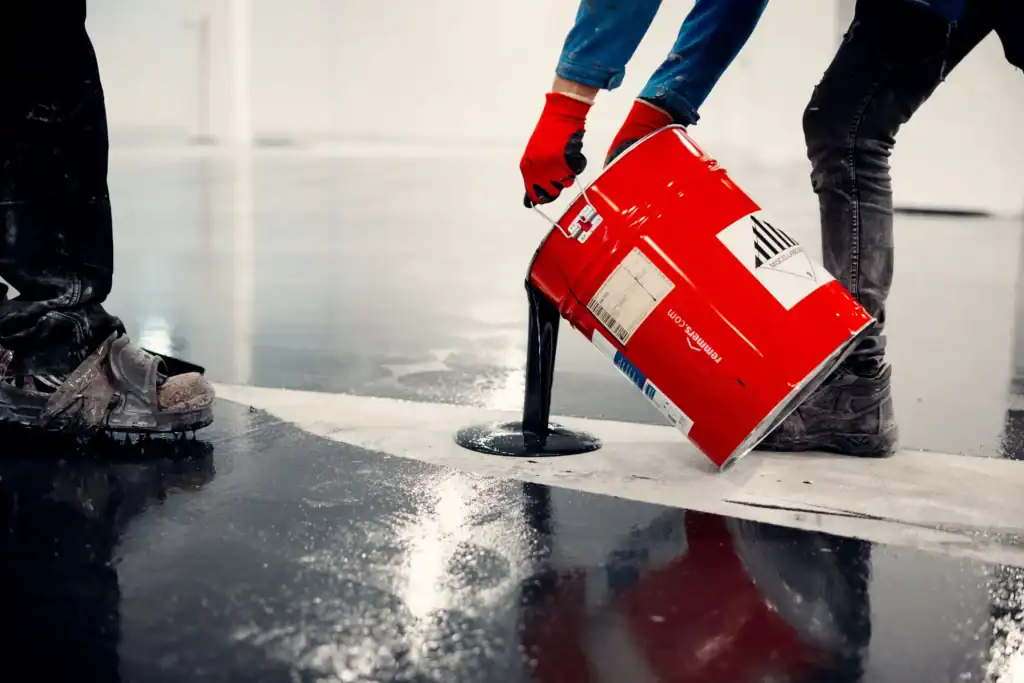
Types of Concrete Sealers and How They Work
Concrete sealers fall into two primary categories, penetrating and film forming. Each type protects differently based on how it interacts with the surface.
Penetrating Sealers Versus Acrylic Sealers
Penetrating sealers soak into the concrete and chemically react within the pore structure. They do not change surface appearance and provide long term internal protection.
Acrylic sealers form a thin film on the surface. They enhance appearance and add a protective layer but can wear down faster in high traffic areas. Penetrating sealers are often preferred in harsh climates because protection remains even as surface wear occurs.
Property owners comparing sealer systems often consult an experienced concrete protection contractor to match product type with climate exposure and surface use.
When Concrete Should Be Sealed
Concrete should be sealed after initial curing but before extended exposure to winter conditions. Sealing too early traps moisture, while sealing too late allows damage to begin.
Application Timing After Pouring and Curing
Most new concrete requires several weeks of curing before sealing. This allows moisture to exit and strength to develop. Applying sealer to uncured concrete can lead to poor bonding and reduced performance.
How Often Concrete Should Be Resealed
Resealing frequency depends on traffic, exposure, and sealer type. Exterior residential and light commercial surfaces are commonly resealed every few years. High traffic or salt exposed areas may require more frequent maintenance.
Sealing Driveways, Patios, and Sidewalks
Flat exterior surfaces with direct exposure benefit most from sealing. These include:
• driveways exposed to vehicle traffic and road salt
• patios subject to snow accumulation and moisture
• sidewalks exposed to freeze thaw cycling
These surfaces experience the highest environmental stress.
Winter Protection and Seasonal Maintenance
Sealing should be completed before freezing temperatures arrive. During winter, removing standing snow and avoiding harsh mechanical scraping reduces surface stress. Regular inspection in spring helps identify areas needing touch ups.
Common Mistakes That Reduce Sealer Performance
Common errors include sealing wet concrete, applying in unsuitable temperatures, and failing to clean surfaces before application. These mistakes prevent proper bonding and reduce effectiveness.
Concrete left unsealed before winter is more likely to absorb moisture, crack, scale, and deteriorate early. Proper sealing extends surface lifespan by reducing moisture intrusion and chemical damage. For long term protection planning, property owners can request guidance through the project quote request page to ensure the right sealer system and application timing.